
Sports
In Fun We Learn Many Things
Co-curricular Activities
Important for students because they help them develop skills, make friends and learn about the world around them
Swimming
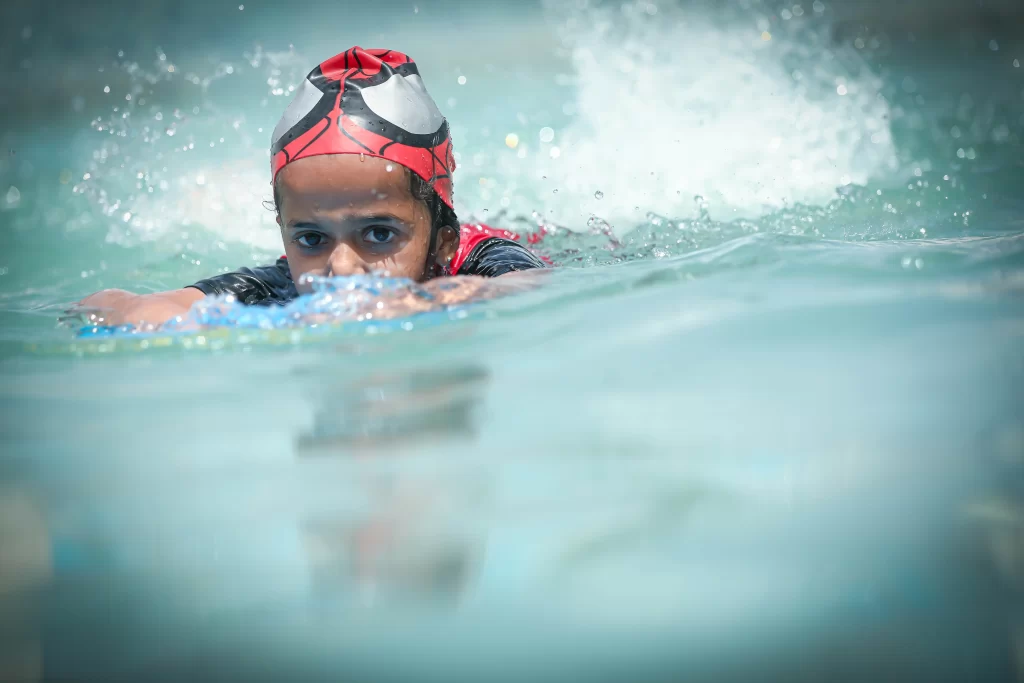
Swimming builds endurance, muscle strength, and cardiovascular fitness. It is a full-body workout that engages multiple muscle groups, improving overall strength and tone. The continuous movement in water enhances stamina, while the resistance of the water helps build muscle. Additionally, swimming is an excellent cardiovascular exercise, promoting heart health and improving circulation. Regular swimming improves lung capacity and endurance, making it an effective way to stay fit. Whether for recreation or fitness, swimming offers a well-rounded workout that supports physical health and overall well-being.
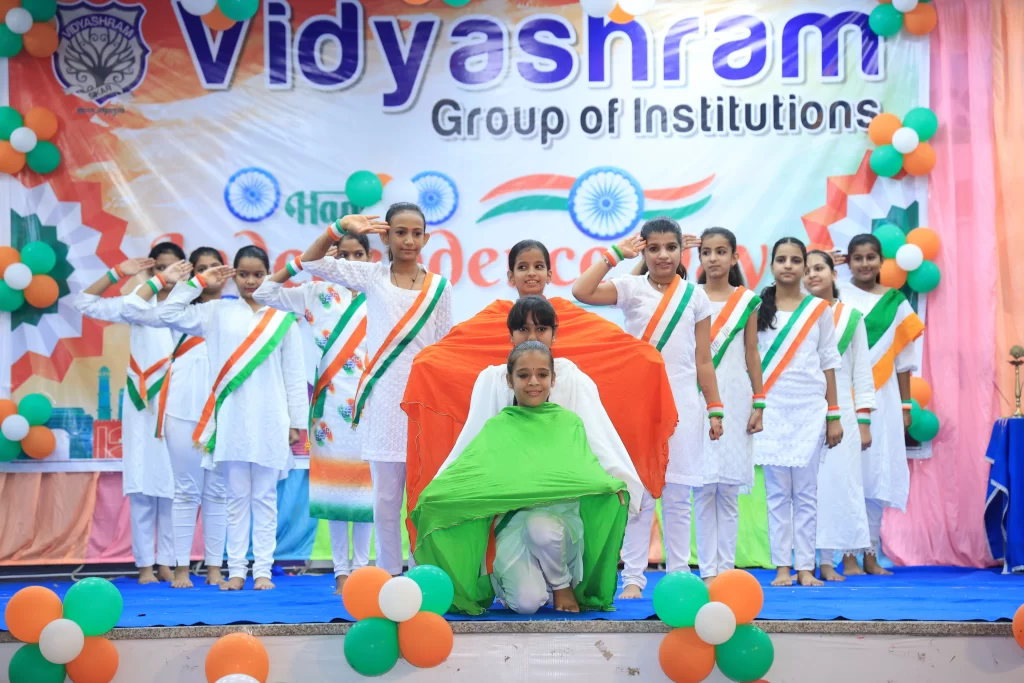
Event
Yoga is a practice that promotes a healthy lifestyle and encourages students to find balance in their lives. It helps them manage stress, improve focus, and enhance overall well-being. Through mindful breathing, stretching, and meditation, yoga teaches students to relax, stay centered, and improve their mental and physical health. While it does not directly encourage avoiding academics, yoga helps students maintain a calm and focused mind, which can lead to better performance in their studies. It provides a healthy way to cope with the pressures of school, fostering both emotional resilience and physical vitality.
Dance
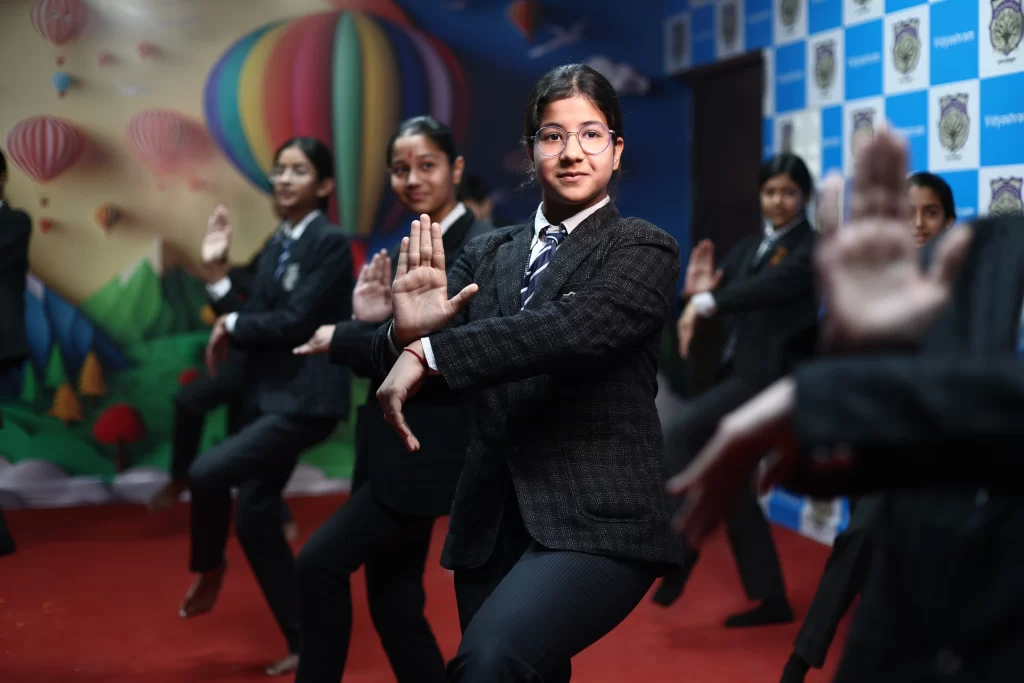
Dance plays a vital role in a child’s physical and mental health. It helps improve coordination, flexibility, and strength, promoting overall fitness. The physical activity involved boosts cardiovascular health, balance, and muscle tone. On a mental level, dance provides an outlet for children to express their emotions and creativity. It allows them to connect with their feelings, reduce stress, and build self-confidence. Through dance, children learn discipline and focus while having fun. It also helps improve cognitive skills, memory, and concentration, supporting both their physical and emotional development in a holistic way.
Yoga
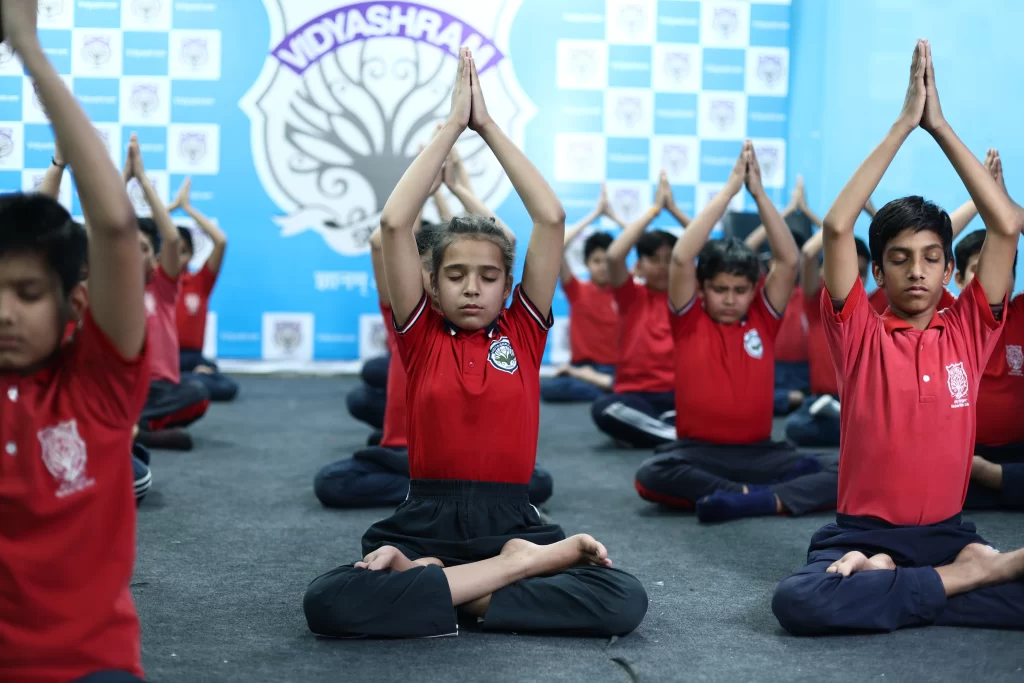
Yoga is a practice that promotes a healthy lifestyle and encourages students to find balance in their lives. It helps them manage stress, improve focus, and enhance overall well-being. Through mindful breathing, stretching, and meditation, yoga teaches students to relax, stay centered, and improve their mental and physical health. While it does not directly encourage avoiding academics, yoga helps students maintain a calm and focused mind, which can lead to better performance in their studies. It provides a healthy way to cope with the pressures of school, fostering both emotional resilience and physical vitality.
Music
Music provides a total brain workout for children, engaging both sides of the brain. Learning to play an instrument or sing enhances cognitive abilities, memory, and concentration. It also helps improve coordination, motor skills, and creativity. Music stimulates different areas of the brain, boosting problem-solving skills and the ability to think critically. It fosters emotional development by allowing children to express themselves and understand emotions. Additionally, it encourages discipline and perseverance as children practice and improve. Overall, music is a powerful tool that supports children’s intellectual, emotional, and physical growth.

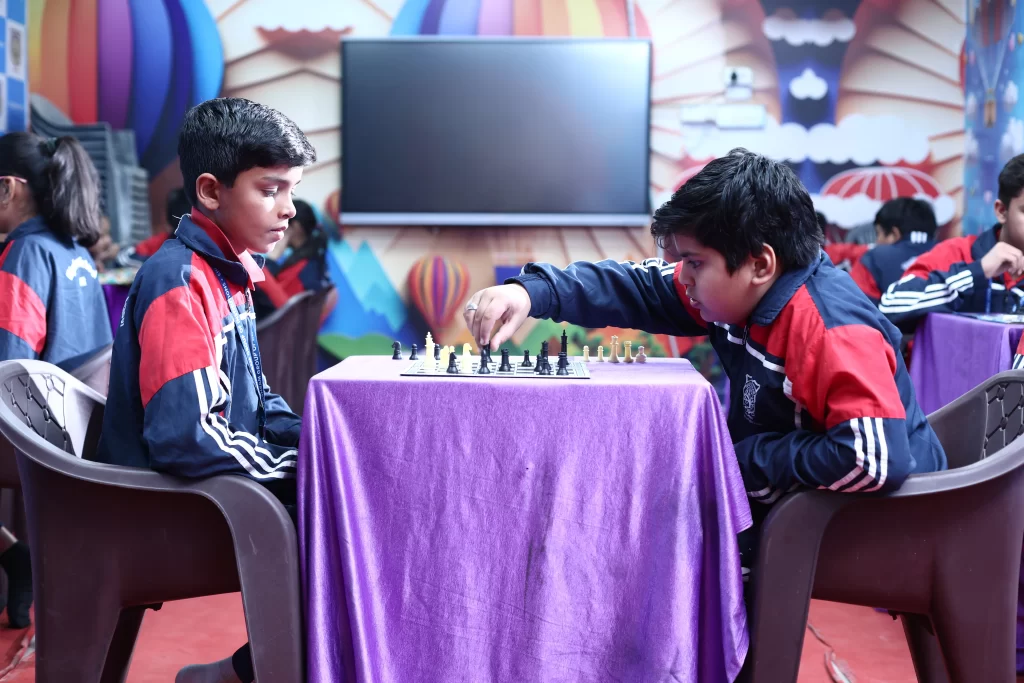
Indoor Games
Indoor games help children engage in physical activities that promote overall development. These games encourage movement, coordination, and motor skills while keeping children active in a fun and safe environment. Activities like indoor sports, puzzles, or dancing not only improve physical health but also enhance cognitive abilities, problem-solving skills, and teamwork. By engaging in indoor games, children can develop social skills, boost creativity, and increase focus. These activities provide a balanced approach to development, ensuring children stay physically fit, mentally sharp, and emotionally resilient, even when they are indoors.
Outdoor Gmaes
Outdoor games allow children to develop self-independence and boost self-esteem. Through activities like sports, exploration, or team games, children learn to make decisions, solve problems, and take responsibility for their actions. These experiences help build confidence as they overcome challenges and achieve personal goals. Outdoor play also encourages social interaction, teaching teamwork, communication, and leadership skills. As children gain new abilities and succeed in various activities, their sense of self-worth grows. Ultimately, outdoor games provide valuable opportunities for children to grow emotionally and mentally, fostering a strong sense of independence and pride in their achievements.
